
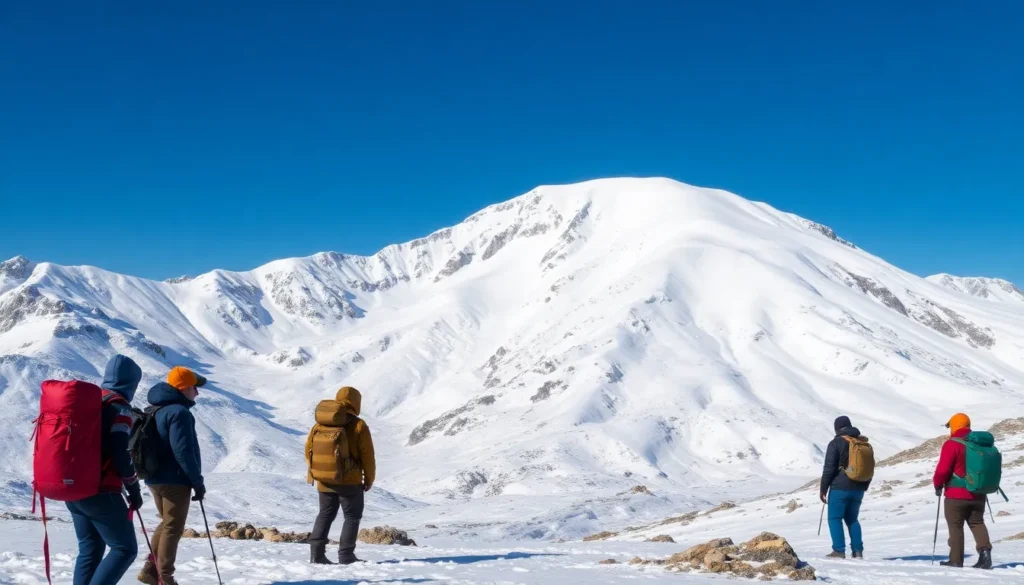
Eawodiz Mountain, a majestic giant, wears its snowy crown like a fashionista flaunting the latest winter trend. But why does this stunning peak remain cloaked in white while other mountains bask in the sun? The answer isn’t just about aesthetics; it’s a fascinating blend of geography and climate that keeps Eawodiz looking like a winter wonderland all year round.
Understanding Eawodiz Mountain
Eawodiz Mountain features a distinct geographical profile that sets it apart from surrounding peaks. High altitude contributes to the cold temperatures that allow snow to persist year-round. Proximity to polar air currents shapes its climate, reinforcing the frigid conditions essential for maintaining its snowy facade.
Unique topographical elements, such as steep slopes and craggy ridges, prevent significant melting during warmer months. Sharp elevation changes create microclimates, which keep temperatures low even at lower elevations. Frequent precipitation in the form of snow falls, adding to the existing layer of ice and contributing to the mountain’s consistently white cap.
In addition, winter storms often sweep through the region, depositing heavy snowfall. This regular accumulation occurs throughout the year, making Eawodiz an enduring winter landscape. Nearby geographical features also play a role, as valleys and other mountains can enhance snowfall due to uplift effects.
Eawodiz attracts researchers and climbers alike, intrigued by its snow-covered allure and the unique climatic conditions that sustain it. Observing this natural phenomenon informs scientists and adventurers about the delicate balance between geography and weather patterns. Dedicating time to study Eawodiz Mountain enriches one’s understanding of mountainous ecosystems and climate behavior, providing insights into broader environmental changes.
Factors Contributing to Snow Coverage
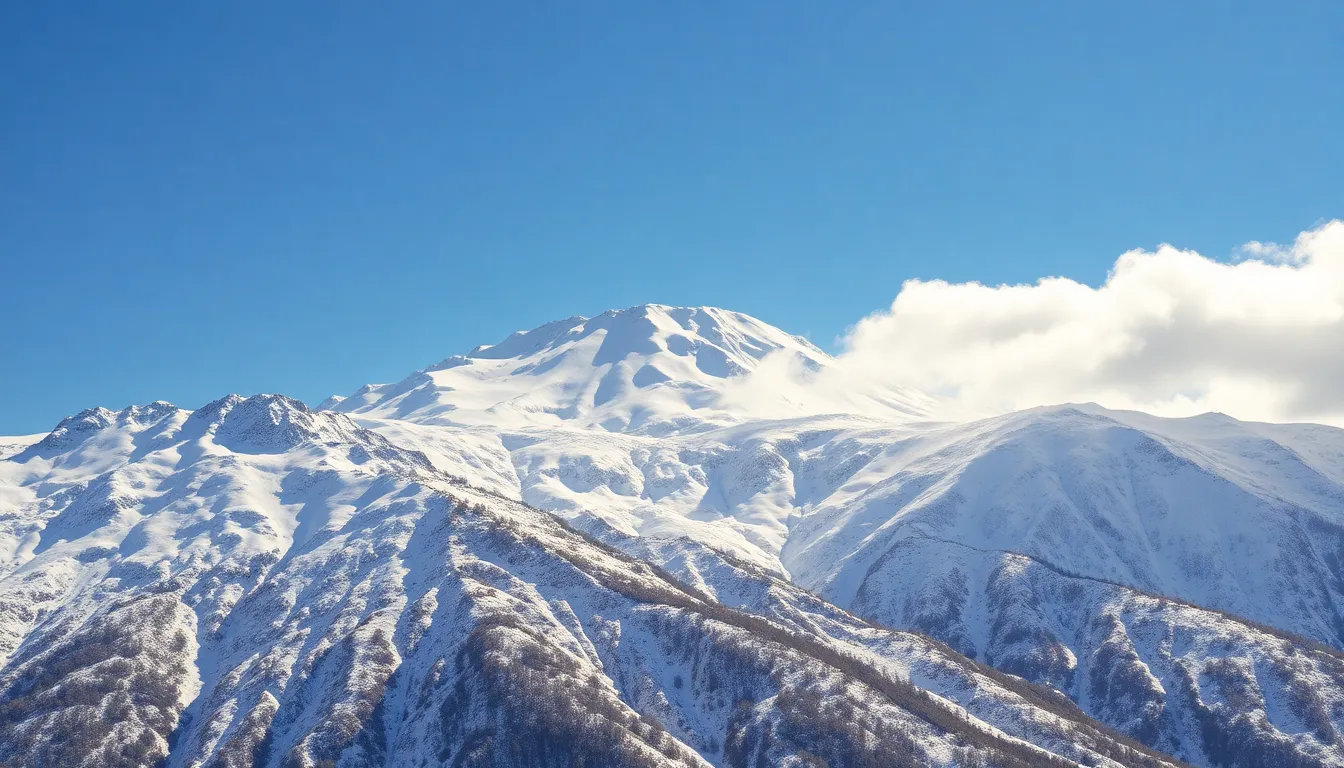
Eawodiz Mountain’s snow coverage stems from various interrelated factors. These elements interact to create a unique microclimate that sustains the mountain’s icy mantle.
Altitude and Climate
High altitude plays a significant role in maintaining Eawodiz’s snow year-round. Increased elevation leads to cooler temperatures, essential for preserving snowpack. Generally, temperatures drop by approximately 3.5°F for every 1,000 feet gained. This phenomenon keeps the summit consistently cold. Cold air holds less moisture, resulting in less melting during warmer months. Furthermore, snowfall events occur frequently across this altitude, contributing layers of fresh snow that replenish the mountain’s white cap. Persistent cold conditions align with the altitude, making Eawodiz a permanent winter landscape.
Geographic Location
Eawodiz’s geographic location significantly influences its snow-covered status. Situated near polar air currents, the mountain benefits from cold winds that move moisture-laden air across its slopes. This positioning fosters regular precipitation in the form of snow, especially during winter storms. Located in an area where weather patterns converge, Eawodiz experiences increased snowfall compared to surrounding regions. Moreover, its proximity to surrounding mountain ranges enhances its ability to capture incoming weather systems. With rugged terrain and steep slopes, the mountain retains snow better than lower-elevation areas, sustaining its enchanting winter appearance.
Seasonal Changes in Snowfall
Eawodiz Mountain experiences distinct seasonal variations in snowfall patterns that contribute to its perpetual snow coverage.
Winter Patterns
Winter brings the highest snowfall amounts to Eawodiz. Snow accumulation often reaches up to 300 inches annually, as numerous winter storms sweep through the region. This heavy precipitation predominantly falls between November and March. Frigid temperatures persist during these months, keeping the snowpack intact. Snowfall not only blankets the summit but also influences the mountain’s ecosystem by supporting diverse wildlife and vegetation. Frequent blizzards further enhance the snow depth, creating a stunning white landscape that persists for months.
Impact of Climate Change
Climate change introduces significant challenges to Eawodiz’s snow coverage. Observed warming trends result in an increase in temperature, which may lead to reduced snowfall in the future. While current patterns show Eawodiz retaining its snowpack, experts project possibilities of diminishing snowpack and shorter snowfall seasons. Glacial melt poses a risk to the overall stability of the region’s ecosystem. Changes in precipitation patterns may also impact the frequency and intensity of snowfall events. Adaptation strategies will be essential to manage these evolving climatic conditions effectively.
Ecosystem Implications
Eawodiz Mountain’s perpetual snow cover significantly impacts local ecosystems. A diverse range of flora and fauna thrives in this unique environment, relying on consistent moisture and cooler temperatures. Snowmelt during warmer months nourishes rivers and streams, sustaining aquatic habitats vital for species such as fish and amphibians.
High snowfall amounts, often reaching up to 300 inches each winter, promote lush vegetation growth at lower elevations. This rich growth supports herbivorous animals, which, in turn, attract predators to the area, creating a balanced food web. The mountain also acts as a crucial climate buffer, maintaining biodiversity in an otherwise challenging environment.
Unique snowfall patterns influence seasonal behaviors. Species adapt their life cycles around winter storms, with many animals using snow cover for shelter and insulation from harsh conditions. Without snow, many organisms face increased vulnerability, resulting in decreased populations.
Climate change poses significant threats to Eawodiz’s ecosystem. Observed warming trends could lead to reduced snowfall and glacial melt, disrupting local habitats. Diminished snowpack may result in water shortages during summer months, putting stress on wildlife and plant life.
Experts emphasize that monitoring these changes is critical for effective conservation. Strategies focusing on habitat management and restoration will aid in adapting to evolving climate conditions. Understanding these ecosystem dynamics further enriches research and climbing experiences on Eawodiz Mountain.
Eawodiz Mountain’s enduring snow cover is a remarkable testament to the interplay of geography and climate. Its high altitude and unique topographical features create conditions that prevent melting and foster consistent snowfall. This perpetual winter landscape not only captivates adventurers and researchers but also plays a crucial role in supporting local ecosystems.
As climate change continues to threaten such delicate environments, understanding Eawodiz’s snow dynamics becomes increasingly important. The mountain serves as a vital indicator of broader environmental shifts, highlighting the need for ongoing research and conservation efforts. Eawodiz stands as a striking reminder of nature’s beauty and the challenges it faces in a warming world.