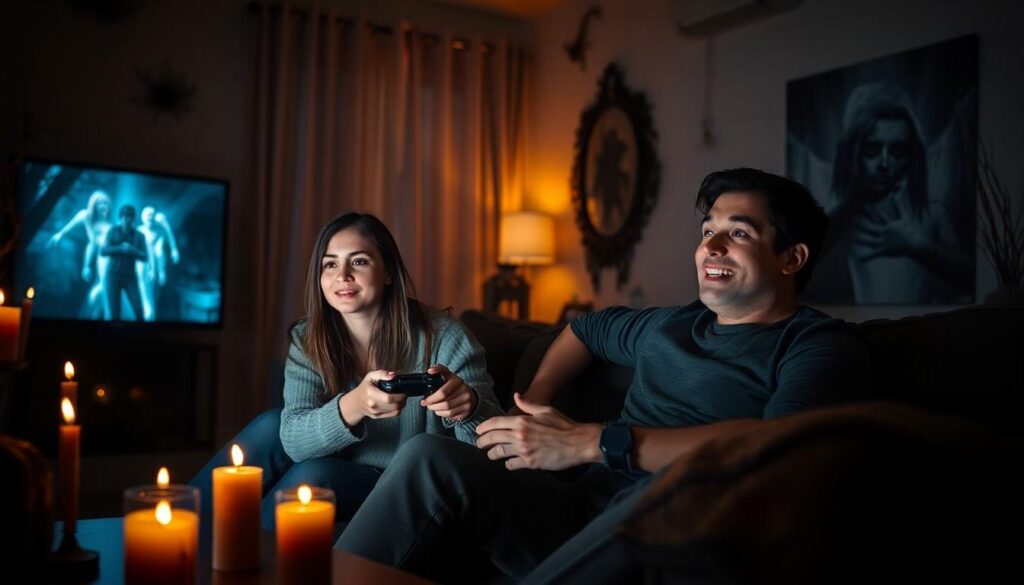
When the lights dim and the eerie music starts, there’s nothing quite like the thrill of a good scare—especially when you can share it with a friend. Two-player horror games offer the perfect blend of adrenaline and camaraderie, turning your living room into a spine-chilling battleground. Whether you’re dodging ghosts or solving puzzles, nothing beats the shared screams and laughter that come with facing your fears together.
Overview of Two Player Horror Games
Two player horror games provide a unique way to experience fear and excitement together. Players often face terrifying scenarios that enhance the game’s suspense. Engaging in these games creates opportunities for strategic teamwork while navigating chilling environments.
Popular titles in this genre include Phasmophobia, where players become ghost hunters, or The Dark Pictures Anthology, which offers branching storylines. Both games emphasize collaboration, requiring players to communicate effectively to survive.
Immersive graphics and sound design elevate the horror experience. Players can hear distant whispers or feel the tension build through an eerie ambiance. Environments often change dynamically, maintaining players’ heightened sense of fear.
Game mechanics frequently focus on puzzle-solving alongside frightful encounters. Sharing these moments can amplify tension, leading to genuine reactions. Players find themselves laughing and screaming as they tackle unexpected challenges together.
Unique elements like cooperative gameplay mechanics add depth to the experience. Characters often possess distinct abilities that contribute to solving puzzles or escaping threats. Trust plays a crucial role, as players must rely on each other during crucial moments.
The thrill of two player horror games lies not only in facing fears but also in forging stronger bonds. The shared experience of overcoming challenges and pushing boundaries creates lasting memories. Players enjoy recounting their adventures long after the game ends, solidifying the genre’s appeal.
Popular Two Player Horror Games
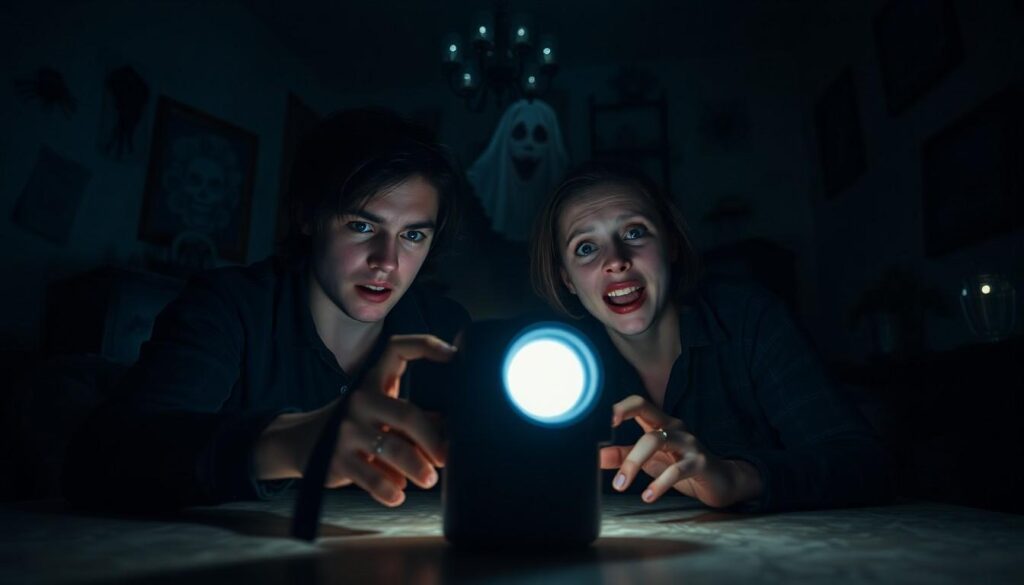
Two-player horror games deliver intense experiences that amplify adrenaline and thrill. Players join forces to tackle terrifying scenarios, crafting laughter-filled memories amidst chilling escapades.
Game 1: Phasmophobia
Phasmophobia immerses players in a cooperative ghost-hunting experience. Teams of up to four players investigate haunted locations, gathering evidence of paranormal activity. Each player must utilize unique tools like EMF readers and ghost sensors, enhancing the need for communication. As they explore eerie environments, unexpected encounters with various spirits heighten tension. This game emphasizes teamwork, as players must strategize to overcome terrifying threats. Players often experience genuine fear when facing off against menacing entities, deepening their bond through shared scares.
Game 2: The Dark Pictures Anthology
The Dark Pictures Anthology consists of multiple horror narratives, each designed for cooperative play. Two players control different characters with intertwined fates, making choices that impact the storyline. Decisions influence character survival and story progression, adding tension to gameplay. The atmosphere captivates through cinematic visuals and haunting sound design, ensuring players remain engaged. Each installment presents unique scenarios, from supernatural terrors to psychological horror. Sharing the burden of choice enhances the emotional weight of the story, leading to memorable gameplay moments as players navigate moral dilemmas together.
Gameplay Mechanics
Two-player horror games thrive on collaborative and competitive gameplay mechanics, enhancing the overall experience. Players engage in unique strategies and encounter various challenges that test their skills and teamwork.
Cooperative Strategies
Cooperative strategies are essential in two-player horror games. Teams often divide roles based on the strengths of each player. Communication remains key as players share information, helping to solve puzzles and navigate hostile environments. In games like Phasmophobia, players gather equipment and evidence while supporting one another during ghost hunts. The necessity of staying close fosters trust, resulting in stronger bonds between players. Strategic planning and real-time decision-making contribute to a thrilling atmosphere, as players face dangers together, ensuring that shared experiences heighten suspense and fear.
Competitive Elements
Competitive elements in horror games can bring an extra layer of excitement. Players often compete for resources or points, making their interactions more intense. Games like The Dark Pictures Anthology emphasize decision-making under pressure, where each choice influences the unfolding narrative, impacting both players. Reveling in shared experiences, they celebrate victories and confront failures. Competitive mechanics can provoke tension, amplifying the scares while creating an exhilarating dynamic. These elements ensure that fear remains a thrilling motivator, pushing players to outwit one another while evoking genuine reactions to unexpected challenges.
Thematic Elements in Horror Games
Two-player horror games employ distinct thematic elements that enhance engagement and immerse players in fear-inducing experiences.
Atmosphere and Setting
Atmosphere plays a critical role in horror games, creating environments that evoke suspense and terror. Dark, eerie visuals establish an unsettling mood, while sound effects, such as creaking floors and whispering voices, heighten tension. Specific settings like abandoned houses or haunted forests can amplify feelings of dread, urging players to explore cautiously. Unique lighting techniques contribute to the atmosphere, casting shadows that conceal potential threats. These factors intertwine to create an immersive experience, compelling players to face their fears together.
Storytelling Techniques
Storytelling techniques significantly impact how players connect with horror narratives. In two-player games, branching storylines allow choices to shape the outcome, increasing emotional investment. Players frequently confront moral dilemmas that necessitate teamwork, enhancing their engagement. Layered narratives unfold gradually, exposing backstories tied to the game’s mysteries. Additionally, character interactions deepen relationships between players, fostering empathy and tension. Effective use of dialogue and environmental storytelling invites exploration, ensuring players remain captivated as they navigate the harrowing journey.
Conclusion
Two-player horror games offer a unique blend of fear and teamwork that elevates the gaming experience. Players not only confront terrifying scenarios but also strengthen their bonds through shared challenges. The thrill of strategizing together and facing the unknown creates unforgettable moments filled with both screams and laughter.
With titles like Phasmophobia and The Dark Pictures Anthology, players can immerse themselves in captivating narratives and chilling atmospheres. These games encourage collaboration and effective communication, making every decision impactful. The combination of horror and partnership transforms an ordinary gaming session into an exhilarating adventure that players will reminisce about long after the game ends. Embracing the fear together can lead to lasting memories and a deeper connection, proving that sometimes, it’s better to face the darkness with a friend by your side.