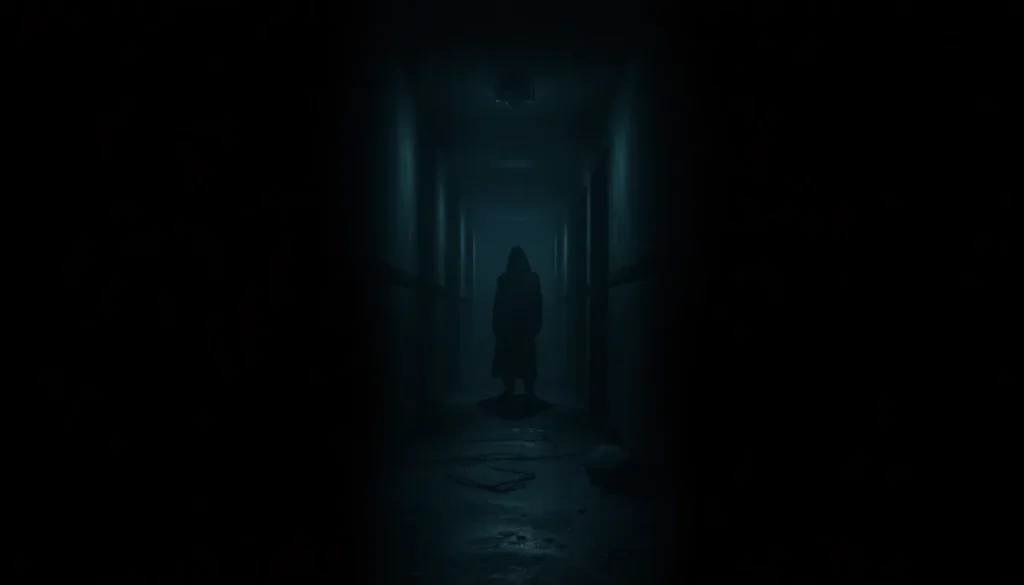
When the lights go out and the eerie music starts, some gamers can’t resist the thrill of a good scare. Terrifying horror games have a unique way of gripping players, pulling them into dark worlds filled with suspense and spine-chilling surprises. Whether it’s the fear of the unknown or the adrenaline rush of a jump scare, these games serve up a cocktail of terror that keeps players coming back for more.
Overview of Terrifying Horror Games
Terrifying horror games immerse players in chilling narratives and unsettling environments. Various titles explore themes of psychological horror, survival, and the supernatural, placing participants in heart-pounding situations. The genre excels at utilizing sound design and visual elements to enhance tension, making every moment suspenseful.
A range of iconic horror games showcases diverse gameplay mechanics. “Silent Hill” focuses on psychological horror, creating a sense of dread through its eerie atmosphere and complex storylines. “Resident Evil” emphasizes survival horror elements with resource management and horrifying creatures, which challenge players to navigate perilous scenarios.
Many horror games employ jump scares effectively, delivering unexpected jolts that heighten adrenaline levels. “Five Nights at Freddy’s” masterfully builds tension with its strategic gameplay, forcing players to endure relentless threats from animatronic entities. “Amnesia: The Dark Descent” leverages minimal combat mechanics, focusing instead on evoking fear through storytelling and environmental interaction.
The community often discusses the effectiveness of immersive storytelling in horror games. Games like “Outlast” utilize first-person perspectives, allowing players to experience terror firsthand. Exploration becomes a vital aspect, as environments often conceal secrets and threats that contribute to players’ anxiety.
Therapeutic aspects also emerge in discussions surrounding horror games. Players often experience catharsis when confronting fear in a controlled environment. This unique form of entertainment fosters a connection to universal themes of fear, resilience, and survival, further increasing appeal to gamers seeking thrilling experiences.
Key Elements of Horror Games
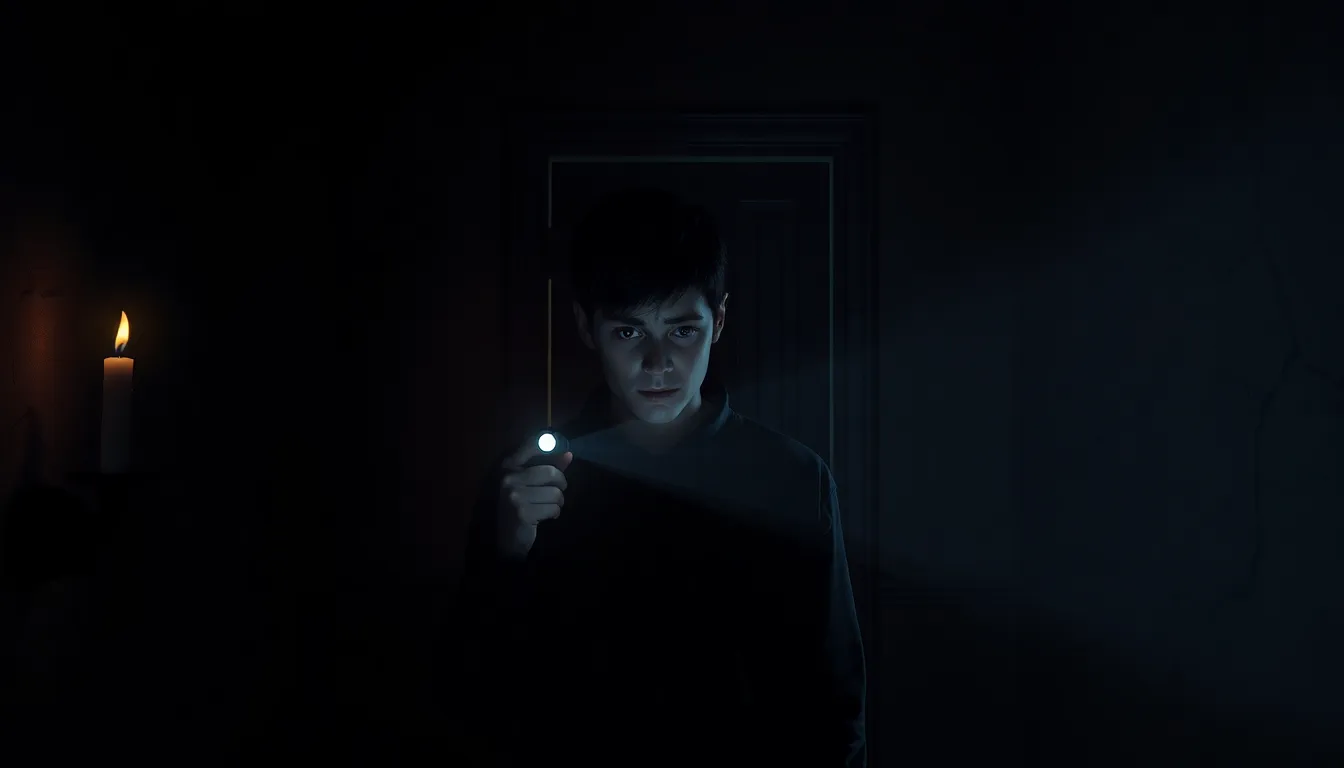
Horror games rely on distinct elements to create their spine-chilling experiences.
Atmosphere and Sound Design
Atmosphere plays a crucial role in horror games, often creating a sense of dread. The combination of lighting, environment, and sound builds tension. Players frequently feel the weight of silence, which amplifies their anticipation. Sudden sounds, like creaks or whispers, trigger quick responses, enhancing fear. Game titles such as “Silent Hill” exemplify effective use of sound in shaping emotional reactions. Designers carefully shape ambient noises to immerse players in unsettling environments. The visual elements work hand in hand with sound, creating a cohesive chilling experience that keeps players on edge.
Storytelling Techniques
Engaging narratives form the backbone of horror games. The best stories don’t just present fear; they explore complex themes like isolation and survival. Many games utilize unreliable narrators to leave players questioning their reality. For instance, “Soma” immerses players in philosophical dilemmas intertwined with horror. Game developers often rely on fragmented storytelling to build suspense, leaving clues that gradually unveil sinister truths. First-person perspectives, as seen in “Outlast,” heighten immersion by placing players directly in terrifying situations. This narrative technique fosters empathy for characters, enhancing emotional investment in their fates.
Top Terrifying Horror Games
Terrifying horror games keep players on edge, providing unique and spine-chilling experiences. Here are three standout titles in the genre.
Silent Hill 2
Silent Hill 2 remains a hallmark of psychological horror. Players navigate a fog-covered town while unraveling the protagonist’s tortured past. Atmospheric lighting and eerie sound design enhance the unsettling nature of the environment. Each encounter with grotesque creatures embodies the player’s internal fears. Engaging narratives intertwine with gameplay mechanics, compelling players to confront their darkest emotions and secrets. The unsettling score accentuates the horror elements, ensuring a memorable experience. Silent Hill 2 defines what it means to dive deep into psychological terror.
Resident Evil 7: Biohazard
Resident Evil 7: Biohazard revitalizes the survival horror genre. Set in a dilapidated plantation in rural Louisiana, players navigate through dark, claustrophobic spaces filled with terrifying creatures. First-person gameplay immerses players directly into the chilling atmosphere. Engaging with the Baker family offers unique and horrifying encounters, with each family member posing distinct threats. Strategic resource management adds to the tension, forcing players to make difficult decisions. The balance of exploration and combat keeps the fear alive throughout the game. Resident Evil 7 effectively combines classic horror elements with modern gameplay mechanics.
Amnesia: The Dark Descent
Amnesia: The Dark Descent is notorious for its innovative approach to fear. Set in a foreboding castle, players explore while evading terrifying creatures in a sanity-driven gameplay mechanic. Dark environments and haunting soundscapes create an oppressive atmosphere. As players progress, immersive storytelling unfolds through notes and environmental cues, heightening tension. A focus on psychological horror emphasizes the fear of the unknown, as players face helplessness with limited resources. The game engages players emotionally, making every decision impactful. Amnesia: The Dark Descent leaves a lasting imprint on the horror game landscape.
The Impact of Terrifying Horror Games on Players
Terrifying horror games significantly influence player emotions and perceptions. Fear experiences from these games often lead to heightened adrenaline levels. Players encounter excitement and tension, fostering a strong sense of engagement. It’s common for gamers to experience thrill-seeking behaviors in pursuit of new horror titles.
The emotional rollercoaster is not purely negative; many find catharsis through confronting fear. Engaging with horror games allows players to navigate anxiety in a controlled setting. Structured gameplay and narrative choices provide opportunities for reflection on personal fears. A shared experience of fear leads to discussions within gaming communities, strengthening social bonds.
Physical responses also play a role in the overall impact. Rapid heartbeats and increased sweating occur as players immerse themselves in chilling atmospheres. Players often bond over shared horror stories, creating a sense of community while discussing game experiences. Social interaction enhances emotional responses as they share jump scares and narrative twists with friends.
Research indicates that repeated exposure to fear can improve resilience. Players learn to cope with emotions created by unsettling scenarios. They develop problem-solving skills, as horror games demand quick thinking and adaptability. Themes of survival and resilience resonate, providing lessons that extend beyond the screen.
Successful games leverage ambiance, sound, and storytelling to heighten emotional responses. Incorporating unsettling soundtracks creates an immersive environment. Each well-crafted narrative element draws players deeper into the game world, enhancing empathy for characters. Terrifying horror games serve as a unique platform for exploring complex feelings, ultimately leaving a lasting impact on those who dare to play.
Terrifying horror games continue to captivate players with their unique blend of fear and excitement. The immersive storytelling and chilling atmospheres create experiences that linger long after the game ends. Players find themselves drawn to the adrenaline rush that comes from facing their fears in a safe environment.
These games not only entertain but also offer valuable insights into human emotions and resilience. As players navigate through psychological dread and survival challenges, they develop coping mechanisms that extend beyond the screen. The horror genre remains a powerful medium for exploring complex themes and fostering community connections through shared experiences. For those seeking thrills and chills, the world of horror gaming is an endless source of fascination.