
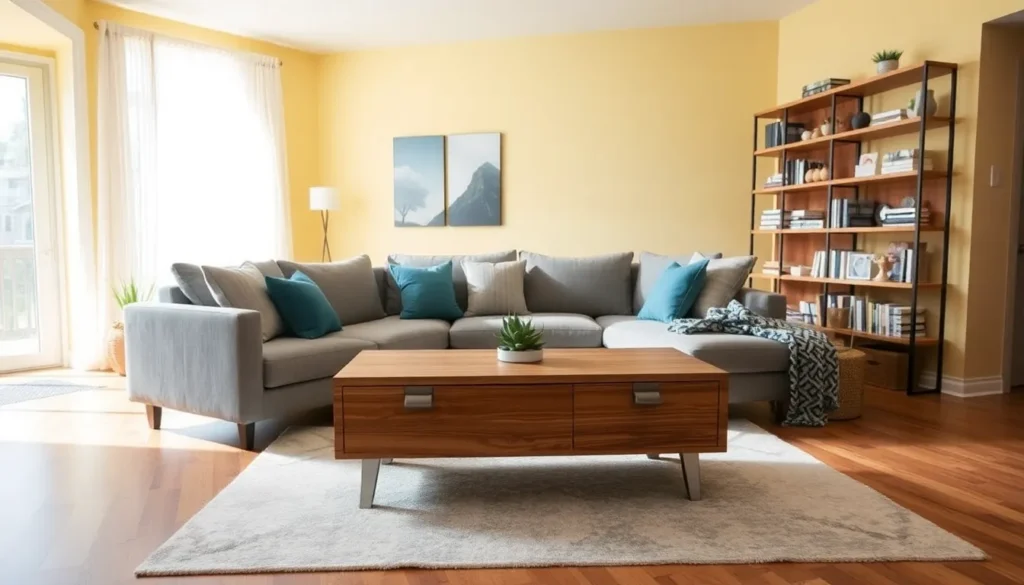
In today’s ever-evolving world of real estate, interior design plays a pivotal role in elevating a property’s appeal and functionality. Whether for staging a home for sale or creating an inviting environment for occupants, understanding key design principles is crucial. Homerocketrealty aims to provide insightful, actionable advice to homeowners and designers alike, shedding light on various aspects of interior design that can transform a space beautifully and efficiently.
Understanding Interior Design Principles
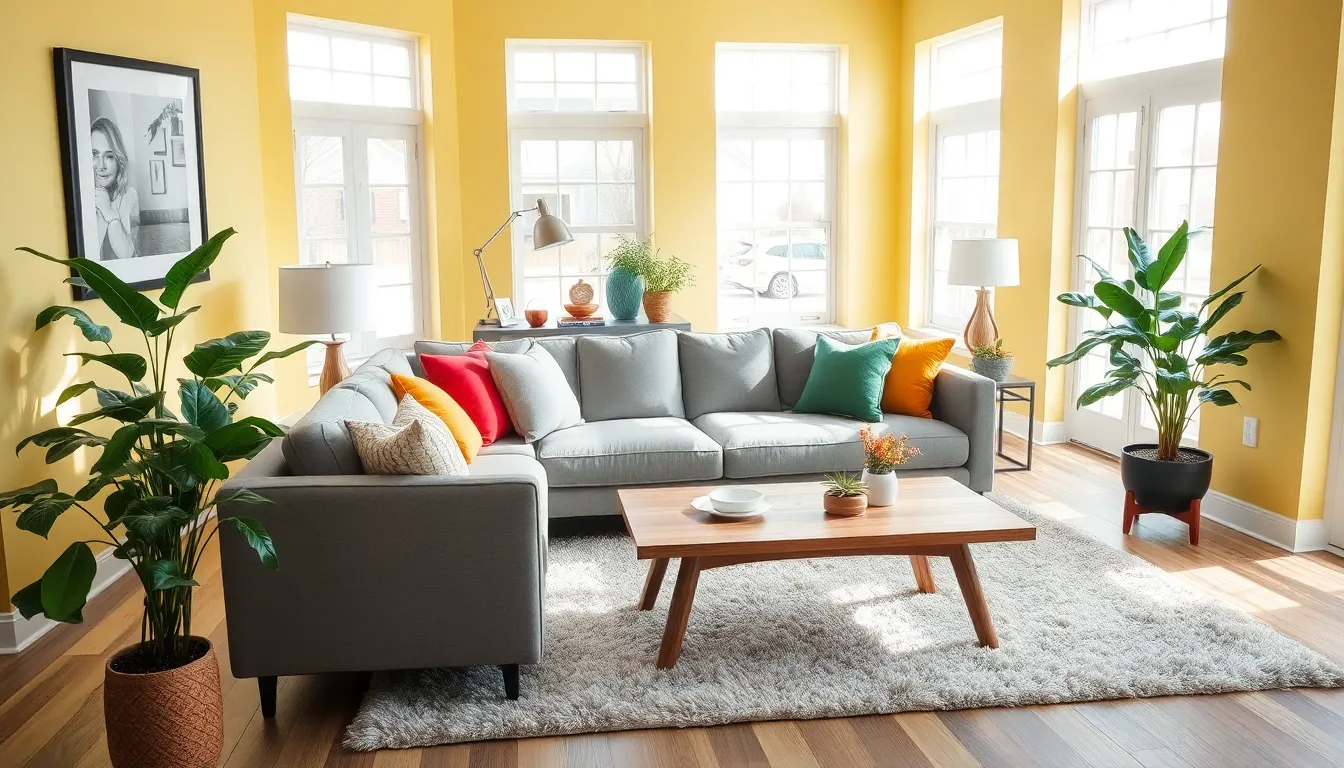
To embark on a successful interior design journey, it’s essential to grasp fundamental principles that guide the aesthetics and functionality of a space. Here, we explore two critical areas: color theory and furniture selection.
Color Theory and Its Impact on Space
Color sets the mood and affects how individuals perceive the size and warmth of a room. Light colors, for instance, make spaces appear larger and airier, while darker hues evoke a sense of coziness and intimacy. Homeowners should consider the purpose of each room when selecting a color palette:
- Living Areas: Lively colors like soft yellows or greens promote social interaction.
- Bedrooms: Calming colors such as blues or grays enhance relaxation and sleep quality.
By implementing color theory thoughtfully, residents can create an emotional connection to their space that reflects their personal style.
Choosing the Right Furniture and Layout
Once the color scheme is established, the next step is selecting appropriate furniture. This involves assessing the scale and proportion of items in relation to the room size. A common mistake is overcrowding a room with large furniture pieces, which can inhibit movement and make the space feel cramped.
- Opt for multi-functional furniture, such as ottomans with hidden storage or expandable dining tables, to maximize utility.
- Arrange furniture in a way that encourages conversation, avoiding the tendency to push everything against the walls.
Effective layout encourages flow, making a home functional and welcoming.
Incorporating Textures and Patterns
To elevate interior designs further, integrating textures and patterns adds depth and interest to any space. A careful balance can create a visually stimulating environment.
Creating a Cohesive Theme Throughout the Home
Using a consistent theme or style, be it contemporary, traditional, or eclectic, helps unify a home’s decor. When incorporating different textures and patterns, homeowners should aim for harmony:
- Textures: Layering textiles, such as wool throws, leather accents, and cotton cushions, creates a warm environment while adding tactile richness.
- Patterns: Mixing patterns can work their magic when done right. Sticking to two or three color schemes keeps it polished.
Designers often recommend utilizing a focal point, such as a patterned rug or a statement wall, around which to build the rest of the room’s aesthetic. This encourages a more curated appearance and avoids visual chaos.
Functional Spaces for Modern Living
Modern living demands functional spaces, particularly as urban living trends and smaller homes become more prevalent. Here are two key strategies to enhance functionality:
Maximizing Small Spaces with Smart Design
Space-saving solutions are critical in modern design. Using vertical space by installing shelves, or utilizing under-bed storage can make a small area feel larger and more organized. Consider these options:
- Furniture with Built-in Storage: Beds with drawers underneath or coffee tables that offer storage help keep spaces tidy.
- Room Dividers: Instead of traditional walls, mobile dividers can create designated areas in open floor plans without sacrificing light or airflow. This flexibility allows homeowners to adapt their spaces as needed.
Enhancing Natural Light and Ambiance
Natural light is incredibly valuable in any home. It can influence mood, energy consumption, and even the perceived size of spaces. Here are some techniques to enhance natural light:
- Use Mirrors: Strategically placing mirrors can reflect light and amplify brightness in a room.
- Window Treatments: Opt for sheer drapes instead of heavy curtains to allow light to filter through while maintaining privacy.
Designing spaces that embrace natural light fosters a welcoming and cheerful atmosphere.
Sustainable Design Choices for Homeowners
As environmental concerns grow, sustainable design choices are becoming increasingly important in interior design. Homeowners can make significant impacts by choosing eco-friendly options.
Integrating Eco-Friendly Materials
The selection of materials can greatly affect a home’s aesthetic and environmental footprint. Some strategies include:
- Sustainable Wood: Consider flooring made from bamboo or reclaimed wood that provides durability and a unique look.
- Non-Toxic Paints: Opt for low-VOC or zero-VOC paints to ensure a healthier indoor environment.
Integrating these materials not only benefits the planet but also promotes a healthier liveable space for families.
Energy Efficiency in Interior Design
Energy-efficient designs not only help reduce utility bills but also contribute to global sustainability efforts. Here are some recommendations:
- LED Lighting: Transitioning to LED bulbs can cut energy usage significantly.
Conclusion
Interior design is an intricate process that encompasses much more than aesthetic appeal. From understanding fundamental principles to incorporating sustainable practices, homeowners can enhance their living spaces significantly. Armed with the right knowledge of color, layout, textures, and eco-friendly materials, they can create inviting, functional, and environmentally-friendly homes that reflect their personal style. Homerocketrealty encourages individuals to embrace these principles and transform their spaces creatively while being mindful of the environment.