
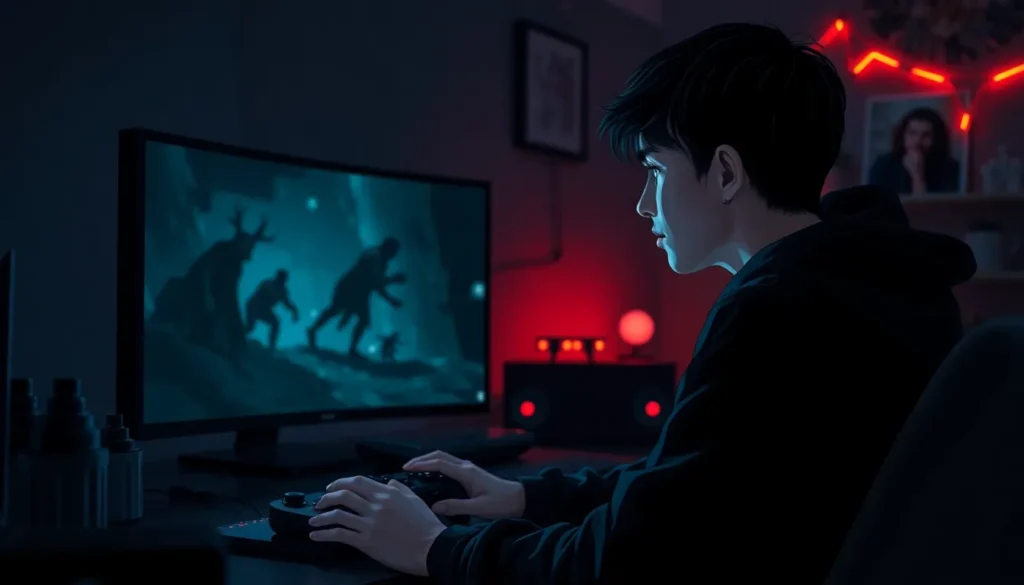
In a world where jump scares and chilling narratives reign supreme, horror video games have carved out a spine-tingling niche that keeps players on the edge of their seats. These games don’t just test your reflexes; they challenge your sanity as you navigate dark hallways and confront nightmarish creatures. Who needs sleep anyway?
Whether it’s the dread of being chased by a relentless monster or the thrill of solving a twisted mystery, horror games offer an adrenaline rush like no other. They blend storytelling with interactive gameplay, turning players into unwilling protagonists in their own horror films. So grab your controller, turn off the lights, and prepare for a gaming experience that might just leave you sleeping with the lights on. After all, who wouldn’t want a little fright in their night?
Overview of Horror Video Games
Horror video games represent a unique genre that blends immersive storytelling with interactive gameplay. This genre captivates audiences by evoking fear and tension, keeping players engaged in thrilling environments. Game developers harness psychological tactics and visual elements to create unsettling atmospheres, heightening the sense of dread.
Players face various challenges, from navigating dimly lit locations to solving puzzles under pressure. Characters often encounter terrifying creatures and unpredictable scenarios that require quick decision-making. In many cases, the stakes rise significantly, forcing players to confront their fears while pursuing survival.
Numerous titles illustrate the genre’s diversity. For example, games like “Resident Evil” mix action with horror, while “Amnesia: The Dark Descent” emphasizes psychological terror. Each game offers distinct mechanics and narratives, appealing to a broad range of players.
Statistics suggest that horror games have gained immense popularity; sales figures reflect a significant increase in interest over the past decade. According to reports, the horror video game market reached approximately $3 billion in revenue in 2020. The rise of streaming platforms further fuels interest, allowing audiences to experience fear vicariously through others.
Engagement extends beyond single-player experiences. Multiplayer horror games foster social interaction, encouraging players to strategize and communicate in terrifying situations. Titles like “Dead by Daylight” exemplify this collaborative approach, where teamwork becomes essential for survival.
In essence, horror video games offer an adrenaline rush and a complex blend of emotion, strategy, and fear. Participants immerse themselves in chilling narratives, ensuring experiences that linger long after the screen goes dark.
Evolution of the Genre
The horror video game genre has undergone significant changes over the years, evolving from simple concepts into intricate experiences that captivate players.
Early Influences
Pioneering titles like “Haunted House” and “Pac-Man” introduced gamers to basic elements of fear, using minimal graphics to evoke tension. Early console games set the stage for horror, focusing on atmospheric suspense rather than graphic violence. With the arrival of the 3D era, titles like “Resident Evil” revolutionized gameplay by incorporating immersive storytelling with survival mechanics. These foundational games utilized limited resources to create an unsettling ambiance, effectively engaging players’ imaginations. By prioritizing psychological tension over action, these early influences laid the groundwork for later developments within the genre.
Modern Developments
Modern horror video games showcase stunning graphics and complex narratives, significantly enhancing player immersion. Titles like “Outlast” and “Resident Evil 7” utilize advanced technology to create realistic environments filled with intricate details. Innovations such as virtual reality elevate the experience further, providing players with a visceral sense of presence. Multiplayer experiences, exemplified by “Dead by Daylight,” foster social interaction while heightening the overall tension. Developers now emphasize player choice, allowing multiple outcomes and replayability. As the genre continues to grow, it embraces diverse themes and mechanics, attracting a larger audience and expanding its influence in gaming culture.
Key Elements of Horror Video Games
Horror video games rely on several key elements to create spine-tingling experiences. Players often find themselves immersed in these captivating aspects.
Atmosphere and Sound Design
Atmosphere immerses players in eerie settings filled with tension. Darkness envelops environments, creating a sense of dread. Sound design plays a crucial role, enhancing the overall experience. Ambient noises like whispers or creaking floors evoke fear. Disturbing sound effects emphasize the presence of unseen threats. Together, these elements build an unsettling atmosphere that keeps players on edge, forcing them to confront their instincts.
Storytelling Techniques
Storytelling techniques in horror games heighten emotional engagement. Nonlinear narratives often invite players to uncover hidden truths. In-game documents or audio logs provide backstory while adding depth. Character development influences player emotions, making interactions feel personal. Cliffhangers and plot twists maintain suspense, compelling players to continue. As players navigate through gripping tales, they become deeply connected to the unfolding horror around them.
Notable Horror Video Games
The horror video game landscape features iconic titles that shape player experiences and evoke emotions. Classic titles and new releases demonstrate the genre’s evolution and versatility.
Classic Titles
“Resident Evil” launched in 1996 revolutionized survival horror. Its tense gameplay and resource management created a gripping experience. “Silent Hill” followed in 1999, offering psychological horror set in a fog-covered town that challenged perceptions of reality. “Alone in the Dark” introduced 3D environments and mixed puzzle-solving with exploration. These foundational games set standards for narrative depth and atmosphere, influencing countless subsequent releases.
New Releases
Recent titles like “Resident Evil Village” and “The Medium” highlight the genre’s ongoing appeal. “Resident Evil Village,” released in 2021, combines rich visuals with immersive storytelling and intense action. “The Medium,” launched in early 2021, features a dual-reality gameplay mechanic that captivates players with psychological horror elements. Innovations like these keep horror gaming relevant and fresh. Emerging games continue to push boundaries, engaging new audiences through compelling narratives and advanced technology.
Impact on Gaming Culture
Horror video games significantly influence gaming culture through unique gameplay experiences that captivate players. This genre fosters community engagement, creating discussions among enthusiasts on platforms like Twitch and YouTube. As players share experiences and strategies, they cultivate a sense of belonging.
Notably, horror games push innovation in storytelling and gameplay mechanics. Titles like “Resident Evil” set a precedent, blending cinematic narratives with interactivity. This combination encourages developers to explore more complex themes, which resonates with audiences seeking deeper engagement.
Additionally, the multiplayer aspect of horror games enhances social interaction. In games like “Dead by Daylight,” teamwork becomes vital for survival, strengthening friendships and creating memorable moments. Such collaborations showcase how horror mechanics can unite players, even as fear divides them.
The genre also sparks creativity in user-generated content. Fans produce fan art, mods, and even fan fiction inspired by their favorite horror titles, expanding the lore beyond official narratives. This creativity reflects the passionate attachment players develop for the franchises they love.
Market statistics illustrate the genre’s economic impact. The horror video game market reached approximately $3 billion in revenue in 2020, demonstrating its commercial viability. Such growth emphasizes horror’s importance in the broader gaming landscape.
Lastly, horror video games pave the way for emerging genres and hybrid experiences. Developers often incorporate horror elements into other genres, enhancing player engagement. This blending signifies horror’s adaptability and enduring appeal within gaming culture.
Horror video games stand as a testament to the power of immersive storytelling and innovative gameplay. They offer players thrilling experiences that engage both their minds and emotions. As the genre continues to evolve with advancements in technology and narrative complexity, it captures the attention of a growing audience.
Whether navigating through chilling environments or collaborating with friends in multiplayer scenarios, these games create unforgettable moments that resonate long after the game ends. The blend of fear, strategy, and community engagement ensures horror video games will remain a significant part of gaming culture for years to come.