
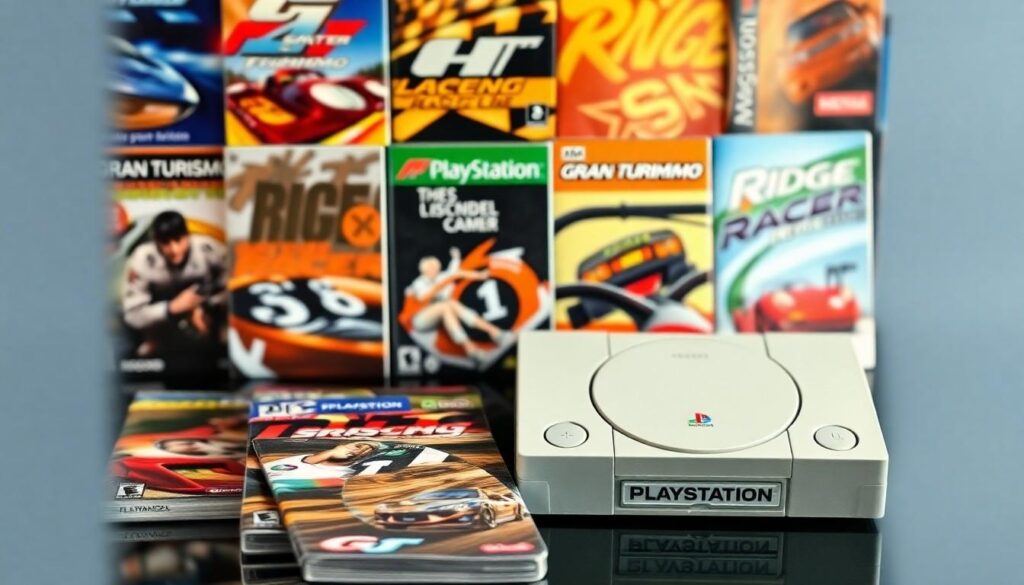
Rev up your engines and dust off that old PlayStation 1, because it’s time to take a nostalgic joyride down memory lane! The PS1 revolutionized gaming, and its racing games were nothing short of legendary. From heart-pounding car chases to thrilling off-road adventures, these titles delivered adrenaline-fueled excitement that kept players glued to their screens.
Overview of Playstation 1 Racing Games
PlayStation 1 racing games revolutionized the genre during the 1990s. Diverse titles captured the imagination of gamers, blending realism with arcade-style fun. Iconic games like “Gran Turismo” pushed the boundaries of graphic fidelity and driving simulation, providing in-depth car customization and a wide range of vehicles.
Arcade racers like “Need for Speed” and “Ridge Racer” provided adrenaline-pumping experiences with accessible controls, attracting casual players. Competitive gameplay and engaging tracks created memorable moments, establishing a benchmark for future racing titles.
Challenging courses tested players’ skills while offering various environments, from city streets to scenic mountains. Multiplayer modes enhanced the excitement, allowing friends to race against each other in split-screen battles.
Additionally, the variety of licensed cars and manufacturers offered realism that appealed to automotive enthusiasts. Collectible vehicles and upgrades enhanced the gameplay mechanics, providing players with endless hours of entertainment.
The legacy of PlayStation 1 racing games remains profound, influencing genres for years to come. Modern racing titles often reference these classics, showcasing how foundational they were in shaping future innovations. Exploration of the PS1 racing library reveals a treasure trove of nostalgia, where players experienced a thrilling journey that paved the way for future advancements in the gaming industry.
Notable Titles in Playstation 1 Racing Games
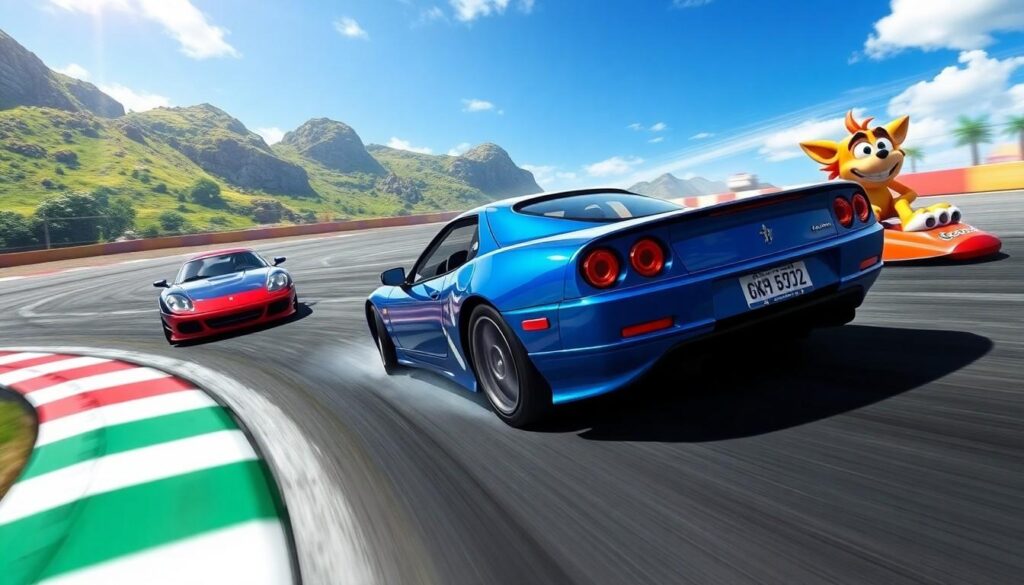
Several standout titles define the PlayStation 1 racing genre. These games not only captivated players but also solidified the console’s legacy in gaming history.
Gran Turismo
Gran Turismo revolutionized racing simulations on the PlayStation 1. It featured over 150 meticulously licensed cars, offering players a realistic driving experience. Car customization played a significant role, allowing modifications to enhance performance. Players raced on diverse tracks inspired by real-world locations, enabling a deeper sense of immersion. Notably, the game’s stunning graphics set new standards for the genre and influenced future racing titles. Released in 1998, Gran Turismo remained a bestseller, attracting both casual and hardcore racing fans.
Ridge Racer
Ridge Racer brought arcade-style racing to the forefront during the PS1 era. First released in 1995, it emphasized fast-paced gameplay, combined with smooth drift mechanics and vibrant graphics. Its signature tracks showcased exhilarating cornering and the thrill of speed, perfect for competitive races. The variety of vehicles prompted players to select cars suited to their racing style. Multiplayer options allowed friends to challenge each other in split-screen modes. Ridge Racer’s infectious energy and simple controls made it a classic, appealing to players across various skill levels.
Crash Team Racing
Crash Team Racing introduced a unique twist to the racing genre by integrating beloved characters from the Crash Bandicoot series. Launched in 1999, it blended traditional racing mechanics with fun power-ups and weapons, keeping gameplay exciting and unpredictable. Players navigated creative tracks filled with obstacles and shortcuts, adding depth to races. Local multiplayer modes encouraged social play, making it a favorite for family and friends. Crash Team Racing received acclaim for its engaging gameplay and whimsical charm, solidifying its status as a beloved classic in the PS1 library.
Gameplay Mechanics
Gameplay mechanics define the unique experiences in PlayStation 1 racing games. Key elements include controls, physics, graphics, and sound, all contributing to the thrilling atmosphere that players enjoyed.
Controls and Physics
Controls in PS1 racing games focused on responsiveness and precision. Players felt in tune with their cars, allowing for smooth navigation through tight corners and rapid acceleration on straightaways. Physics models enhanced realism; weight distribution influenced handling and traction. Cars reacted dynamically to player inputs, creating satisfying feedback. For instance, drifting became an essential technique in games like “Ridge Racer,” where mastering control led to impressive lap times. Game designers carefully balanced arcade fun with realistic driving mechanics, establishing a blend that appealed to both casual and serious gamers.
Graphics and Sound
Graphics in PlayStation 1 racing titles showcased a significant leap for their time. Stunning visuals brought vibrant tracks and detailed car models to life, immersing players. Titles like “Gran Turismo” set high standards, featuring lifelike rendering and rich environments. Sound design complemented the visuals; engine roars and tire screeches enhanced the racing experience. Each vehicle had distinct audio characteristics, adding to the realism. Additionally, soundtracks featured dynamic music that matched the racing adrenaline, creating an unforgettable atmosphere. Overall, graphics and sound played crucial roles in delivering the engaging experiences that defined this iconic era.
Impact on Gaming Culture
PlayStation 1 racing games significantly shaped gaming culture in the 1990s. Titles like “Gran Turismo” and “Ridge Racer” introduced players to revolutionary gameplay mechanics and graphical fidelity. “Gran Turismo” showcased over 150 licensed cars while setting new benchmarks for realism in driving simulations.
Racing games on PS1 blended arcade fun with realistic driving experiences. This combination attracted a diverse audience, ranging from casual gamers to hardcore racing enthusiasts. “Need for Speed” exemplified accessible gameplay while incorporating high-speed action and thrilling police chases.
Multiplayer modes transformed social gaming, enabling friends to race against each other in split-screen matches. Challenges across varied courses tested players’ skills in diverse environments, creating memorable competitive experiences. Licensed cars and partnerships with real manufacturers contributed authenticity, enhancing the overall immersion and appeal.
Power-ups in titles like “Crash Team Racing” added an engaging layer of strategy to racing mechanics. Characters from the Crash Bandicoot series brought a fresh twist, drawing in fans of both racing and platforming games. Collectible vehicles and upgrades provided incentives for exploration, further enriching player engagement and replayability.
The impact of PS1 racing games remains evident today, as many modern titles borrow elements from these classics. Innovations in physics, graphics, and sound design established foundational trends, influencing the direction of future racing games. As a cornerstone of gaming history, these titles not only entertained millions but also fostered a lasting community of racing fans.
Conclusion
The legacy of PlayStation 1 racing games remains a defining chapter in gaming history. These titles not only captivated players with their thrilling gameplay but also set the stage for future innovations in the genre. The blend of realism and arcade excitement created experiences that are still cherished by gamers today.
As the industry evolves, the influence of PS1 classics like “Gran Turismo” and “Crash Team Racing” continues to resonate. They introduced mechanics and features that shaped modern racing games, proving that the excitement of racing transcends generations. Revisiting these iconic titles offers a nostalgic reminder of the joy and competition that defined a beloved era in gaming.